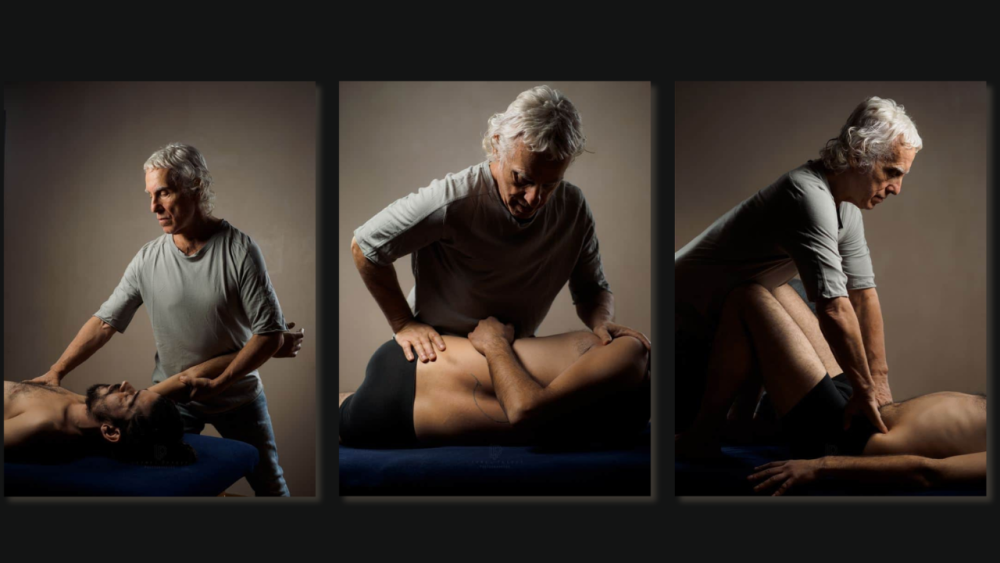
Myofascial Energetic Release: A Path to Ease, Presence and Meditation
Myofascial Energetic Release (MER) has become more than a technique I practise. It has become a trusted companion on the long walk toward ease, presence and meditation.
Through deep, sensitive touch, breath and movement, MER invites us to explore how we inhabit our bodies. We begin to notice where we hold tension, how we respond to discomfort and what it feels like to move with a little more freedom.
For me, the value of this work extends beyond what happens during a session. It lies in the relationship we gradually develop with ourselves: more attentive, more patient and more willing to listen.
What Is Myofascial Energetic Release?
Myofascial Energetic Release is an approach to bodywork that brings together fascial work, assisted movement, breath awareness and meditative presence.
The practitioner works with the body’s soft tissues while inviting the person receiving the session to remain involved through sensation, breathing and communication. Pressure is adapted to the individual, with attention to their comfort and response.
Although the work can be deep, depth does not have to mean force. A patient pause, a change in pace or a small adjustment in touch may be just as meaningful as a stronger technique.
This combination of touch and active participation is central to the work: the person receiving MER has a voice in the experience.
Fascia and the Experience of Tension
I often think of fascia as a map beneath the skin: a continuous landscape connecting different regions of the body.
Fascia is connective tissue that surrounds and supports muscles and other structures. Our experience of stiffness and tension, however, involves more than fascia alone. Movement habits, injury, stress and the nervous system can all play a part.
Sometimes we become aware of this through familiar sensations: shoulders that remain lifted after a demanding day, a jaw that clenches during concentration, or a back that feels reluctant to move.
MER offers an opportunity to explore these sensations with curiosity. Where does movement feel available? Where do we brace? What happens when we slow down enough to notice?
The intention is to approach the body as something worth understanding, with sensitivity to what it can comfortably receive.
Learning to Listen Through Body Awareness
One of the most meaningful gifts of MER, for me, is the practice of listening.
This listening begins with sensation. You might notice that you hold your breath as pressure increases, that one shoulder feels different from the other, or that a small movement changes your experience of tension.
There is no need to assign a story to every sensation. A tremor, warmth or an emotional response does not have to mean something specific. We can allow the experience to be present without rushing to interpret it.
From there, we can begin to respond with greater choice: asking for less pressure, taking a pause, changing position or allowing a comfortable breath.
Body awareness becomes useful when it helps us recognise what we need—and gives us permission to respond.
Breath as a Companion to Deep Bodywork
Breath offers a simple way to remain connected to the experience of a session.
Sometimes we notice that breathing feels restricted. At other times, we discover how much effort we are using to control it. The invitation is to become curious about that pattern, without forcing a deeper breath or trying to perform relaxation.
A comfortable breath can create a rhythm for attention. We notice the movement of the ribs, the support beneath us and the sensations arising under the practitioner’s hands.
In my approach to MER, breathing is a form of participation. It helps us stay involved in what is happening and communicate when the work needs to change.
You can explore this aspect of the method further in Working With the Breath in Myofascial Energetic Release.
Exploring Greater Ease in Everyday Movement
People often approach bodywork because something feels difficult: turning the neck, sitting comfortably, reaching overhead or simply finding a position in which to rest.
An MER session offers space to explore whether these experiences can change. Some people may notice less tension, a greater sense of mobility or breathing that feels easier. Others may first notice a clearer awareness of their habits.
Responses vary. Relief may be temporary, gradual or different from what someone expected, and persistent pain may require assessment and support beyond bodywork.
I value the small, practical changes: noticing when the jaw tightens, finding a more comfortable way to sit, or moving without anticipating discomfort at every step.
These moments can become invitations to bring greater care into everyday life.
How Bodywork Can Become a Meditative Practice
Meditation does not always begin in stillness. Sometimes it begins with the simple act of noticing a sensation without immediately trying to change it.
During MER, touch can offer a focus for attention. The mind may wander, then return to the movement of breathing, the feeling of support or the pressure of a hand.
There is no particular state to achieve. We do not need to empty the mind or feel peaceful throughout the session. Presence can include restlessness, uncertainty and the need to pause.
What matters is the quality of attention we bring.
For me, this is where bodywork and meditation meet: in the willingness to be with our experience, moment by moment, with less judgment.
Read more about the relationship between myofascial bodywork and meditation.
A Kinder Relationship With Your Body
It is easy to pay attention to the body only when it becomes uncomfortable.
We ask it to work, carry, concentrate and continue. When pain or fatigue interrupts those demands, frustration can quickly follow.
MER offers a different quality of attention: time to notice the body before asking more of it.
That might mean acknowledging tiredness, respecting a limit or recognising that a familiar pattern of tension has returned. The value is in how we respond—with patience rather than self-criticism.
A kinder relationship with the body does not require every discomfort to disappear. It can begin with the recognition that our experience deserves care.
Carrying the Practice Beyond the Session
The meaning of bodywork can continue in the ordinary moments that follow it.
You might pause at your desk to notice your shoulders, take a short walk, or give yourself time to settle before moving into the next task. These are small opportunities to practise the attention explored during a session.
Further sessions can be considered according to individual needs, preferences and response. There is no universal timetable, and progress does not have to be measured by how much treatment someone receives.
My invitation is to begin with curiosity and patience. Notice what helps. Communicate what does not. Allow your experience to guide the pace.
For those who would like to study this approach more deeply, Myofascial Energetic Release training explores the integration of touch, breath, movement and meditative awareness.
Over time, the practice may become a familiar way of returning to yourself: listening more closely, moving with greater attention and making room for ease.
This article shares Satyarthi Peloquin’s personal perspective on MER. Individual experiences vary, and bodywork does not replace appropriate medical assessment or treatment.

Author - Satyarthi Peloquin
Trainer